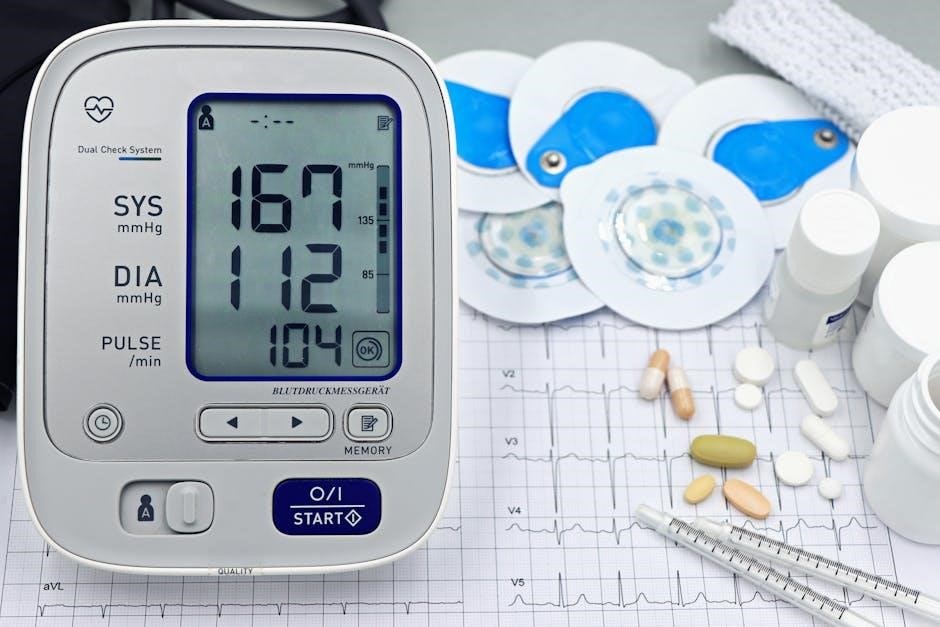
Kinetik Wellbeing’s automatic blood pressure monitor, model WBP1, offers convenient health monitoring at home; detailed instructions are found in the provided manual.
What is the Kinetik Blood Pressure Monitor?
The Kinetik Wellbeing Automatic Blood Pressure Monitor (WBP1, 748/0393) is a fully automated device designed for quick and easy home blood pressure measurement. This user-friendly monitor provides accurate readings, empowering individuals to proactively manage their cardiovascular health.
It’s crucial to consult the included user manual and quick start guide before initial use, ensuring proper setup and understanding of its features for optimal performance and reliable results.
Key Features and Benefits
The Kinetik monitor boasts fully automatic operation, simplifying blood pressure measurement at home. Key benefits include accurate readings, a user-friendly interface, and convenient memory storage for tracking trends.
Accessing the downloadable PDF user manual provides comprehensive instructions, ensuring correct usage and maximizing the monitor’s capabilities. Regular monitoring, guided by the manual, supports proactive health management.
Unboxing and Component Identification
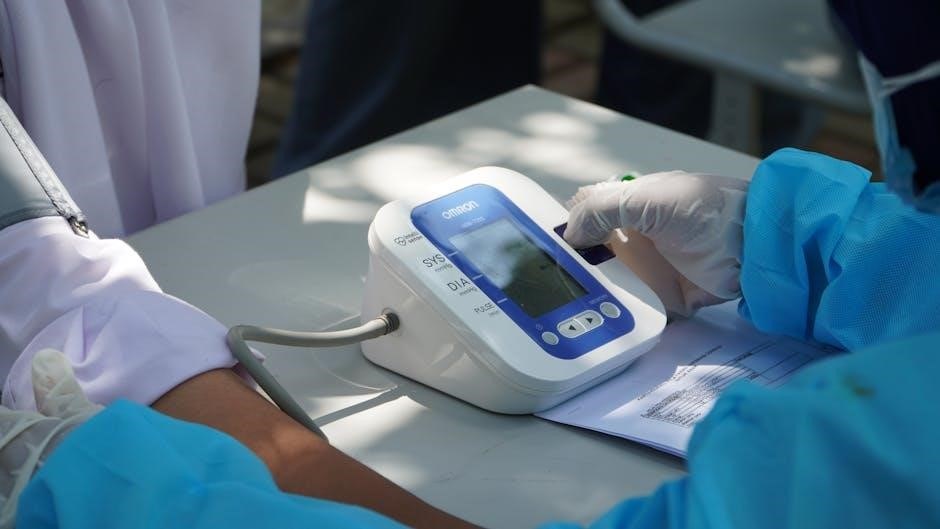
Carefully unpack your Kinetik monitor; the manual details all components, including the monitor, cuff, and instructions for proper setup and use.
What’s Included in the Box
Upon opening your Kinetik Wellbeing Automatic Blood Pressure Monitor (WBP1), you should find the main monitor unit itself, designed for ease of use. A comfortable cuff, sized for standard arms, is also included. Crucially, the package contains a comprehensive user manual, providing detailed instructions and troubleshooting guidance. A quick start guide is present for immediate setup, alongside essential documentation for warranty information and customer support access.
Understanding the Monitor’s Parts
The Kinetik monitor features a clear LCD display showing systolic, diastolic pressure, and pulse rate. Operational buttons control power, start/stop measurements, and memory recall. The cuff connects via a standardized tube. The battery compartment, typically located on the rear, houses the power source. Refer to the manual for detailed diagrams and instructions on each component’s function and proper usage for accurate readings.

Setting Up Your Kinetik Monitor
Proper setup involves installing batteries and correctly attaching the cuff, ensuring a secure, comfortable fit; consult the manual for detailed instructions.
Installing Batteries
To install batteries, locate the battery compartment, typically on the bottom or side of the Kinetik monitor. Open the compartment cover and insert the specified battery type – usually AA batteries – following the polarity markings (+ and -) inside.
Ensure the batteries are securely seated. Incorrect battery installation can prevent the monitor from functioning correctly or displaying accurate readings. Refer to the user manual for a diagram and further instructions.
Attaching the Cuff Correctly
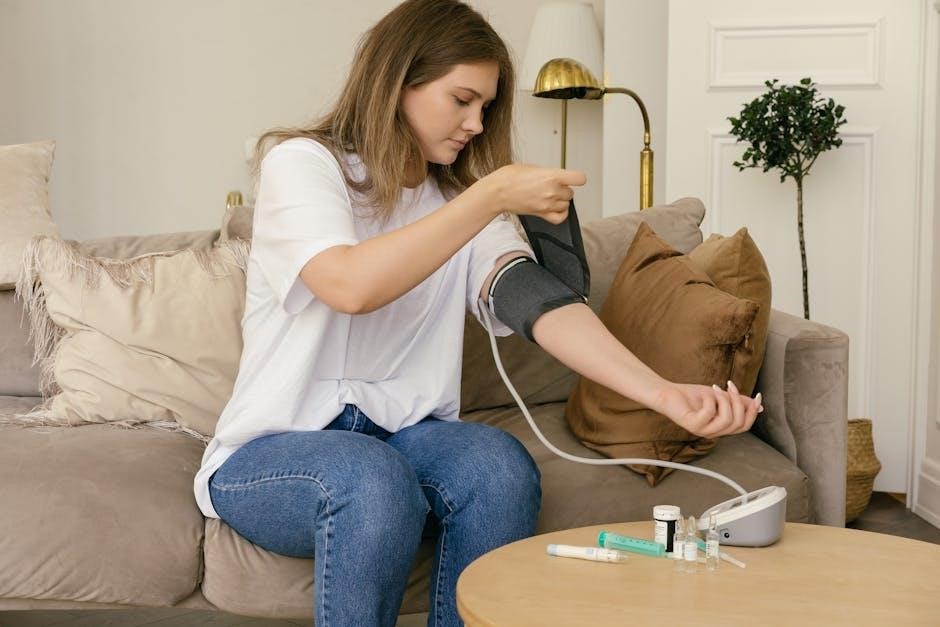
Proper cuff attachment is crucial for accurate readings. Position the cuff on your upper arm, approximately one inch above the elbow. Ensure the artery marker on the cuff aligns with your brachial artery.
The cuff should be snug, but not too tight – you should be able to slide one finger comfortably underneath. Refer to the manual for visual instructions and to determine the correct cuff size for your arm circumference.
Taking Accurate Blood Pressure Readings
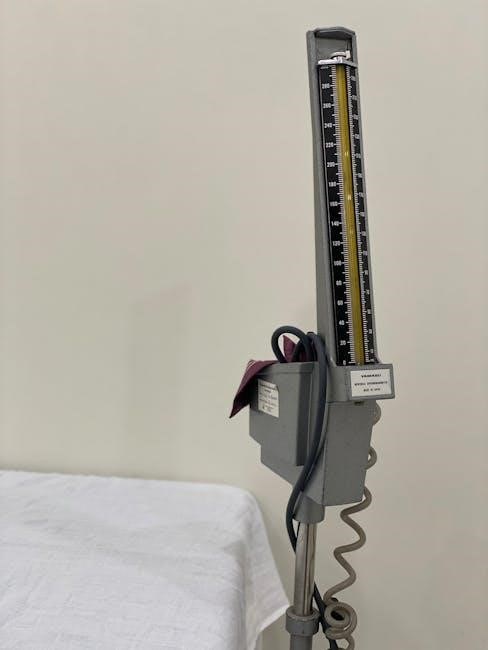
Accurate readings require a relaxed state and correct posture; follow the manual’s step-by-step instructions carefully for optimal results with your Kinetik monitor.
Proper Positioning and Posture
Before taking a measurement, ensure you are seated comfortably with your back supported and feet flat on the floor. Avoid crossing your legs, as this can artificially elevate your blood pressure.
Your arm should be supported at heart level, and remain still throughout the measurement process. Relax for five minutes prior to taking a reading, avoiding caffeine, exercise, or smoking. Refer to the Kinetik monitor’s manual for detailed instructions on achieving the correct posture for reliable results.
Step-by-Step Measurement Guide
First, attach the cuff to your upper arm, ensuring it’s snug but not too tight. Press the ‘Start’ button and remain still while the cuff inflates and deflates.
The Kinetik monitor will display your systolic and diastolic pressure, along with your pulse rate. Consult the user manual for a complete instruction set, including troubleshooting tips and understanding error codes. Repeat the measurement if needed, waiting a few minutes between readings.
Understanding Your Readings
Systolic pressure reflects heart contractions, while diastolic shows pressure when resting. Pulse rate indicates heartbeats per minute; refer to the manual for interpretation.
Systolic and Diastolic Pressure Explained
Systolic pressure, the top number, represents the force your heart exerts when beating. It’s the maximum pressure in your arteries. Diastolic pressure, the bottom number, measures the pressure in your arteries when your heart rests between beats.
Understanding both values is crucial for assessing cardiovascular health. Consistently high readings indicate hypertension, while low readings may signal hypotension. Always consult a healthcare professional for accurate diagnosis and treatment based on your Kinetik monitor’s results.
What is Pulse Rate and Why is it Important?
Pulse rate, measured in beats per minute (BPM), indicates how many times your heart beats each minute. The Kinetik monitor conveniently displays this alongside your blood pressure readings. A normal resting pulse rate generally falls between 60-100 BPM, though this can vary.
Monitoring your pulse rate helps assess your fitness level and detect potential heart irregularities. Significant deviations from your normal range warrant medical attention.
Memory Function and Data Review
Kinetik monitors store previous readings for tracking trends; easily recall and review this data to share with your healthcare provider for informed decisions.
Storing Previous Readings
Kinetik blood pressure monitors automatically save your measurement results, allowing you to monitor your blood pressure over time. This feature is incredibly useful for identifying patterns and tracking the effectiveness of any lifestyle changes or medications. The device’s memory capacity enables storage of numerous readings, providing a comprehensive history for review. Regularly reviewing stored data, alongside your doctor, can contribute to better management of your cardiovascular health and overall wellbeing.
Recalling and Reviewing Data
To access previously stored readings on your Kinetik monitor, utilize the memory recall function, typically activated by a dedicated “Memory” or “Recall” button. The device will display stored values, often showing the date and time of each measurement. You can cycle through the readings to review your blood pressure history. This data is invaluable for tracking trends and sharing information with your healthcare provider.

Troubleshooting Common Issues
Kinetik monitor error codes indicate specific problems; inconsistent readings may stem from improper cuff placement or movement during measurement – consult the manual.
Error Codes and Their Meanings
Kinetik’s automatic blood pressure monitor utilizes error codes to signal potential issues. The manual details these codes, assisting users in diagnosing problems. For example, an “Err” message often indicates cuff disconnection or inflation failure. Understanding these signals is crucial for accurate readings. Always refer to the comprehensive guide within the manual for a complete list and corresponding solutions, ensuring proper device functionality and reliable health monitoring.
What to Do if Readings are Inconsistent
If Kinetik’s blood pressure monitor provides inconsistent readings, re-review the manual’s setup and measurement sections. Ensure correct cuff placement, proper posture, and a calm environment. Take multiple readings, spaced apart, and record the results. If inconsistencies persist, consult your healthcare provider. Device malfunction is possible; refer to the manual’s troubleshooting guide for further assistance and potential solutions.
Cuff Size and Selection
Proper cuff fit is crucial for accurate Kinetik readings; select the correct size based on your arm circumference, as detailed in the manual.
Determining the Correct Cuff Size
Accurate blood pressure measurement relies heavily on using the appropriately sized cuff. Measure your upper arm’s circumference to determine the correct fit. The Kinetik monitor’s manual will provide a chart correlating arm size to cuff size.
A cuff that is too small will yield falsely elevated readings, while a cuff that is too large will produce artificially low results. Ensure the cuff’s bladder encircles at least 80% of your arm.
Importance of Proper Cuff Fit
Maintaining a proper cuff fit is crucial for reliable blood pressure readings with your Kinetik monitor. An ill-fitting cuff significantly compromises accuracy, leading to misdiagnosis or ineffective treatment.
A too-small cuff inflates excessively, causing discomfort and inflated results, while a too-large cuff may underestimate your blood pressure. Always refer to the manual and measure your arm circumference for optimal cuff selection.

Cleaning and Maintenance
Regularly clean the Kinetik monitor and cuff with a slightly damp cloth; avoid harsh chemicals. Proper storage extends the device’s lifespan and accuracy.
How to Clean the Monitor and Cuff
To ensure accurate readings and prolong the life of your Kinetik monitor, gentle cleaning is essential. Always disconnect the cuff before cleaning. Use a soft, slightly damp cloth to wipe the monitor’s surface and the cuff material.
Avoid using abrasive cleaners, solvents, or excessive moisture, as these can damage the device. Do not immerse the monitor or cuff in water. For stubborn stains on the cuff, a mild detergent diluted in water can be used, followed by thorough drying.
Storage Guidelines
Proper storage safeguards your Kinetik blood pressure monitor’s functionality. Keep the device in a cool, dry place, away from direct sunlight, extreme temperatures, and humidity. Avoid storing it with potentially damaging materials or in locations prone to dust accumulation.
Ensure the cuff is loosely coiled and not tightly bent or stretched during storage. Regularly check the batteries to prevent leakage and corrosion. Store the monitor in its original packaging when not in use for extended periods.
Battery Replacement
Replace batteries when the low battery indicator appears; use the recommended type for optimal performance and accurate readings, as detailed in the manual.
Recommended Battery Type
Kinetik Wellbeing’s automatic blood pressure monitor, WBP1, requires two AAA alkaline batteries for reliable operation. Avoid using rechargeable batteries, as they may not provide sufficient voltage and could compromise the accuracy of your blood pressure readings. Always ensure correct battery polarity when installing new batteries, referencing the diagram within the user manual. Using the specified battery type guarantees optimal performance and extends the lifespan of your Kinetik monitor.
Replacing the Batteries Safely
To replace the batteries, gently open the battery compartment located on the Kinetik monitor. Remove the old batteries, observing the polarity markings (+ and -) inside the compartment. Insert two new AAA alkaline batteries, ensuring correct alignment. Close the battery cover securely. Dispose of used batteries responsibly, following local regulations; never mix old and new batteries.

Safety Precautions
Kinetik monitors aren’t for diagnosing; consult a healthcare professional for interpretation. Individuals with certain conditions should exercise caution when using this device.
Important Warnings and Contraindications
Kinetik’s monitor isn’t a substitute for regular medical check-ups. Do not use on limbs with impaired circulation, or sites of intravenous lines or medical procedures. Self-treatment based on readings is dangerous.
Individuals with arrhythmias or other cardiac conditions should consult their doctor before use. Avoid use during exercise or stressful situations, as these can affect accuracy. This device is not intended for continuous monitoring.
Who Should Not Use This Monitor
Kinetik’s monitor isn’t suitable for children, or individuals unable to follow instructions. Those with severe arm conditions, or undergoing dialysis should avoid use. Pregnant women should consult their physician before monitoring blood pressure.
Individuals experiencing acute illness or post-surgical recovery should seek professional medical advice. This device isn’t designed for use on infants or those with significant mobility limitations.
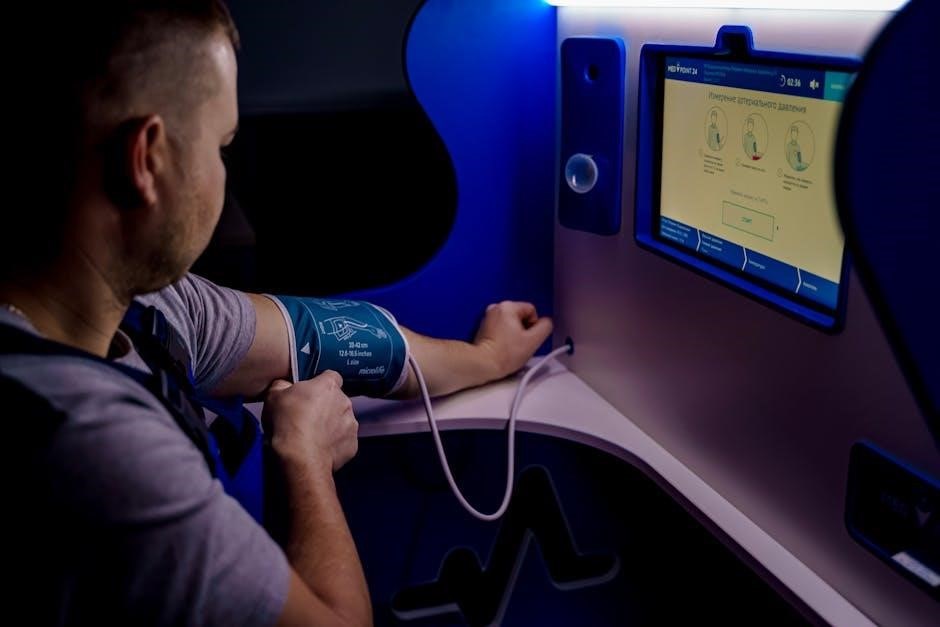
Frequently Asked Questions (FAQ)
Common questions regarding the Kinetik monitor, its operation, and troubleshooting are addressed within the comprehensive user manual available for download.
Common Questions About the Kinetik Monitor
Users frequently inquire about proper cuff placement for accurate readings, as detailed in the manual. Others ask about interpreting error codes, which are clearly defined. Battery replacement procedures and memory function usage are also common concerns.
Understanding how to download the PDF user guide and accessing product support are frequent questions. Many seek clarification on the monitor’s warranty details and contact information for assistance.
Addressing User Concerns
Users sometimes experience inconsistent readings; ensure correct cuff size and proper positioning, as outlined in the manual. Error codes indicate specific issues – consult the guide for solutions; Difficulty downloading the PDF user manual can be resolved by checking internet connection and browser settings.
Concerns about battery life are common; use recommended battery types. For warranty claims or further support, contact Kinetik Wellbeing’s customer service directly.
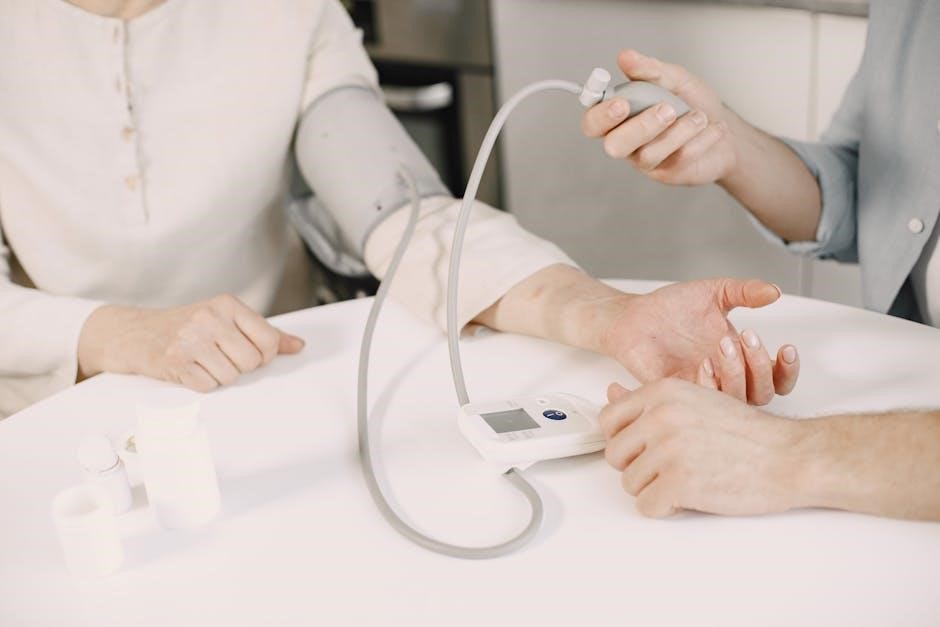
Downloading the User Manual
Kinetik Wellbeing provides a PDF user manual online for the WBP1 blood pressure monitor, alongside quick start guides and product support.
Accessing the PDF User Manual Online
Kinetik Wellbeing makes the comprehensive PDF user manual for the WBP1 Automatic Blood Pressure Monitor readily accessible online. This digital resource provides detailed instructions, troubleshooting guidance, and important safety information.
Users can easily download the manual from various online sources, ensuring they have immediate access to support. The manual covers all aspects of operation, from initial setup to understanding your readings, and is a vital companion to your Kinetik device.
Where to Find Additional Support
Beyond the detailed PDF user manual, Kinetik Wellbeing offers further support avenues for the WBP1 Blood Pressure Monitor. Product support is available to assist with any questions or concerns regarding operation and instructions.
Customers can typically find assistance through the retailer where the monitor was purchased, or by directly contacting Kinetik’s customer support team. Utilizing these resources ensures a smooth and informed experience with your health monitoring device.
Warranty Information
Kinetik monitors include a warranty covering defects in materials and workmanship; details are available in the user manual and upon contacting customer support.
Kinetik Monitor Warranty Details
Kinetik Wellbeing’s automatic blood pressure monitor warranty covers manufacturing defects for a specified period from the date of purchase, as outlined in the included manual.
This warranty doesn’t cover damage from misuse, accidents, or unauthorized repairs. To make a claim, retain your proof of purchase and contact Kinetik customer support for guidance through the process. Warranty terms may vary based on region.
Contacting Customer Support
For assistance with your Kinetik Wellbeing automatic blood pressure monitor, refer to the manual for troubleshooting or contact their support team.
Details for reaching Kinetik customer support, including phone numbers, email addresses, and potentially online chat options, should be available on their official website or within the product documentation. Promptly address any concerns or questions you may have.