Arestin Post-Op Instructions: A Comprehensive Guide
Arestin, a locally delivered antibiotic, requires specific post-operative care for optimal healing and effectiveness. This guide details crucial steps,
ensuring successful periodontal treatment and preventing recurrence of infection, as recommended by dental professionals.
What is Arestin?
Arestin is a brand name for a locally administered antibiotic, specifically 1mg of minocycline hydrochloride, used in periodontal (gum) disease treatment. Unlike oral antibiotics which circulate throughout the body, Arestin is placed directly into periodontal pockets – the spaces between teeth and gums affected by infection.
This targeted approach delivers a high concentration of the antibiotic precisely where it’s needed most, minimizing systemic exposure. It’s designed to combat the bacteria causing inflammation and bone loss associated with gum disease. Arestin isn’t a standalone cure; it’s used alongside scaling and root planing (deep cleaning) to enhance treatment outcomes and promote healthier gums. Its sustained release over 21 days helps control bacterial growth.
How Arestin Works: Mechanism of Action
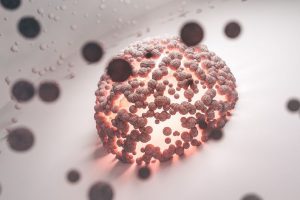
Arestin’s effectiveness stems from its unique microsphere technology. These tiny spheres, containing minocycline hydrochloride, are delivered directly into periodontal pockets. Once placed, they adhere to the pocket lining, creating a sustained-release system. Over approximately 21 days, the microspheres gradually release the antibiotic, maintaining a high concentration at the infection site.
Minocycline disrupts bacterial protein synthesis, inhibiting their growth and reproduction. This localized action targets the specific bacteria responsible for periodontal disease, reducing inflammation and allowing the gums to heal. The sustained release ensures continuous antibacterial activity, even between dental visits, maximizing treatment benefits and preventing rapid re-colonization by harmful bacteria.
Benefits of Arestin Treatment
Arestin offers significant advantages in periodontal therapy. Its localized delivery minimizes systemic antibiotic exposure, reducing the risk of widespread side effects. By directly targeting the infection source, Arestin enhances the effectiveness of scaling and root planing, promoting faster and more complete healing of periodontal pockets.
Patients experience reduced inflammation, bleeding, and pocket depths, leading to improved gum health and stability. The sustained release of minocycline provides prolonged antibacterial action, preventing bacterial regrowth and increasing treatment success rates. Arestin’s ability to combat persistent bacteria contributes to long-term periodontal health and reduces the need for more invasive procedures.

Immediate Post-Operative Care (First 24 Hours)
Following Arestin application, prioritize gentle care. Avoid disturbing the treated site, and focus on rest to allow initial healing to begin effectively.
Managing Discomfort and Pain
Expect mild discomfort after Arestin treatment, typically manageable with over-the-counter pain relievers like ibuprofen or acetaminophen. Follow dosage instructions carefully, and do not exceed the recommended daily amount. Applying a cold compress to the cheek near the treated area for 20-minute intervals can also help reduce swelling and alleviate pain.
Avoid strenuous activity for the first 24 hours, as this can increase blood flow and potentially exacerbate discomfort. If pain persists or intensifies beyond what over-the-counter medication can control, contact your dentist immediately. Remember, a small amount of soreness is normal, but significant or worsening pain requires professional evaluation. Prioritize rest and gentle care during this initial recovery phase.
Controlling Bleeding After Arestin Application
Some minor bleeding or oozing is common immediately following Arestin application. To control this, gently bite down on a piece of clean gauze for 30-60 minutes, applying firm but not excessive pressure. Replace the gauze if it becomes saturated. Avoid rinsing vigorously or spitting, as this can disrupt clot formation and prolong bleeding.
If bleeding continues beyond a few hours, or if it is excessive, contact your dentist. Avoid disturbing the treated area with your tongue or fingers. A slight pink tinge in your saliva is normal for the first 24 hours. Maintain a soft diet and avoid any activity that could increase blood pressure. Rest is crucial for allowing the treated site to heal properly and minimize bleeding.
Dietary Restrictions After Arestin Treatment
Following Arestin application, a soft food diet is essential for one week to protect the treated site and promote optimal healing, avoiding discomfort.
Foods to Avoid: Crunchy, Hard, and Sticky Options
To ensure proper healing after Arestin application, diligently avoiding certain foods is paramount. For at least one week, refrain from consuming anything that could disrupt the treated area or irritate the gums. This includes crunchy foods like raw carrots, celery, and chips, as these can physically displace the Arestin and cause discomfort.
Hard foods, such as nuts, hard candies, and ice, pose a similar risk of dislodging the antibiotic and potentially damaging the delicate tissues. Equally important is to avoid sticky foods – taffy, gum, caramels – as they can adhere to the treated site, hindering healing and potentially trapping bacteria. Prioritizing a soft diet will significantly contribute to a successful recovery and long-term periodontal health.
Recommended Soft Food Choices
Following Arestin treatment, a soft food diet promotes healing and minimizes disruption to the treated periodontal pockets. Excellent options include yogurt, applesauce, mashed potatoes, and well-cooked pasta. Soups, particularly creamy varieties, provide nourishment without requiring significant chewing effort. Smoothies are also a fantastic choice, ensuring adequate hydration and nutrient intake.
Consider soft-cooked eggs, scrambled or poached, and tender, slow-cooked meats like shredded chicken or fish. Avoid any seasonings that may irritate the gums. Prioritize foods that are easy to swallow and require minimal chewing. Maintaining a nutritious diet, even with these limitations, is crucial for supporting your body’s natural healing processes and achieving optimal periodontal health post-treatment.

Oral Hygiene Following Arestin Application
Maintaining excellent oral hygiene is vital post-Arestin, but requires a gentle approach. Careful brushing and avoiding direct contact with treated areas are key.
Gentle Brushing Techniques
Following Arestin application, meticulous yet gentle brushing is paramount for maintaining oral health without disrupting the medication. Utilize a soft-bristled toothbrush and employ a circular motion, avoiding direct pressure on the treated periodontal pockets. Focus on removing plaque and debris from all tooth surfaces, but be exceptionally cautious around the application sites.
Avoid vigorous scrubbing, as this can irritate the gums and potentially dislodge the Arestin microspheres. Consider using a mild, non-abrasive toothpaste. Pay attention to the areas around the treated sites, ensuring thorough cleaning without direct contact. Consistent, gentle brushing promotes healing and prevents secondary infections, contributing to the long-term success of the Arestin treatment.
Flossing Considerations: Avoiding Treated Areas
Post-Arestin treatment, flossing requires careful modification to protect the medication and promote healing. For the initial week, avoid flossing directly between the teeth where Arestin was applied. This prevents dislodging the microspheres and disrupting their sustained release of antibiotics within the periodontal pockets.
You can continue flossing in other areas of your mouth, maintaining overall oral hygiene. After the first week, gently resume flossing around the treated sites, being mindful not to force the floss. If you experience any bleeding or discomfort, temporarily discontinue flossing in that area and consult your dentist. Careful flossing supports healing and prevents reinfection.
Medication and Follow-Up Appointments
Arestin utilizes a 1mg minocycline hydrochloride dose. Consistent follow-up appointments with your dental hygienist are vital to monitor healing and prevent recurrence.
Understanding the 1mg Minocycline Hydrochloride Dose
Arestin delivers a precise 1mg dose of minocycline hydrochloride directly into the periodontal pocket. This localized approach minimizes systemic exposure, concentrating the antibiotic where it’s needed most – at the site of infection. Minocycline is a broad-spectrum antibiotic effective against the bacteria responsible for periodontal disease.
The microencapsulated form of minocycline allows for a sustained release over approximately 21 days, providing prolonged antibacterial action. This extended release is key to disrupting the bacterial biofilm and promoting healing. It’s important to understand this isn’t a full-body antibiotic course; the dosage is specifically calibrated for local treatment.
While generally well-tolerated, being aware of potential, though rare, side effects is prudent. Your dentist will discuss any concerns and answer questions regarding this medication.
Importance of Scheduled Follow-Up Appointments
Follow-up appointments are absolutely critical after Arestin treatment. Periodontal disease is often a persistent condition, meaning bacteria can readily recolonize periodontal pockets. Regular check-ups allow your dental hygienist to monitor healing, assess bacterial levels, and evaluate the effectiveness of the treatment.
These appointments aren’t simply about checking for problems; they’re proactive measures to prevent recurrence. Your hygienist will perform periodontal charting to measure pocket depths and assess attachment levels, identifying any areas needing further attention.
Consistent follow-up care, combined with diligent home oral hygiene, maximizes the long-term success of Arestin and helps maintain optimal periodontal health. Don’t underestimate the power of preventative maintenance!
Potential Side Effects and What to Do
Arestin may cause temporary taste disturbances. Contact your dentist immediately if you notice signs of infection, such as increased pain, swelling, or fever.
Common Side Effects: Temporary Taste Disturbances
Arestin, containing minocycline hydrochloride, can sometimes lead to a temporary alteration in your sense of taste. This is a relatively common side effect and is generally not a cause for significant concern. Many patients report a metallic or bitter taste shortly after the procedure, which typically subsides within a few days to a week.
The duration and intensity of this taste alteration vary from person to person. Staying well-hydrated can sometimes help mitigate the effect. If the altered taste persists for longer than a week or becomes particularly bothersome, it’s best to inform your dentist. They can offer further guidance and rule out any other potential causes. Remember, this side effect is usually self-limiting and doesn’t indicate a problem with the treatment’s effectiveness.
When to Contact Your Dentist: Signs of Infection
Although rare, infection can occur following Arestin application. Promptly contact your dentist if you experience increasing pain, swelling, redness, or warmth in the treated area. A fever, chills, or pus discharge are also indicators requiring immediate attention. These symptoms suggest the body is fighting an infection and necessitates professional evaluation.
Don’t hesitate to reach out if you notice any significant changes or worsening of your condition. Early intervention is crucial to prevent the infection from spreading and to ensure successful treatment. Your dentist can assess the situation, prescribe appropriate antibiotics if needed, and provide further guidance for optimal healing. Ignoring these signs could lead to complications.
Long-Term Care and Maintenance
Maintaining excellent oral hygiene and regular dental check-ups are vital for preventing periodontal disease recurrence and preserving the benefits of Arestin treatment.
Maintaining Optimal Oral Hygiene
Consistent and meticulous oral hygiene is paramount following Arestin treatment to support healing and prevent reinfection. Continue brushing twice daily with a soft-bristled toothbrush, focusing on removing plaque and debris from all tooth surfaces. Pay particular attention to the gumline, but avoid direct, aggressive scrubbing of the treated areas initially.
Regular flossing remains crucial, though exercise caution around the Arestin application sites for the first week, gently gliding the floss between teeth. Consider using an antimicrobial mouthwash as recommended by your dentist to further reduce bacterial load. Proactive oral care strengthens the long-term success of Arestin and safeguards against periodontal disease progression, ensuring a healthy and vibrant smile.
Preventing Recurrence of Periodontal Disease
Long-term success with Arestin relies heavily on preventing periodontal disease from returning. Diligently follow your dentist’s recommended maintenance schedule, including regular professional cleanings and check-ups. These appointments allow for early detection and treatment of any emerging issues.
Maintain excellent daily oral hygiene practices, as previously outlined, and address any lifestyle factors that contribute to gum disease, such as smoking. A balanced diet also supports gum health. Remember, the bacteria causing periodontal disease are persistent, so consistent effort is key to preserving your oral health and enjoying the benefits of Arestin treatment for years to come.
Arestin and Periodontal Pocket Healing
Arestin effectively combats infection within periodontal pockets for approximately 21 days, promoting healing. Supporting this process with diligent care is essential for lasting results.
Duration of Arestin’s Effectiveness (21 Days)
Arestin, comprised of 1mg of minocycline hydrochloride, is designed to release its antibiotic properties directly into the periodontal pocket over a sustained period. This localized delivery system ensures a concentrated dose where it’s needed most, maximizing its impact on harmful bacteria.
Crucially, Arestin maintains its therapeutic effectiveness for approximately 21 days. During this timeframe, the antibiotic actively works to reduce inflammation and promote healing within the pocket. However, it’s vital to understand that Arestin isn’t a standalone cure.
Its success is heavily reliant on consistent, diligent oral hygiene practices and adherence to post-operative instructions. Following the recommended dietary restrictions and gentle cleaning techniques will significantly contribute to the antibiotic’s efficacy and long-term periodontal health. Regular follow-up appointments are also essential to monitor progress and prevent recurrence.
Supporting the Healing Process
Following Arestin application, actively supporting the healing process is paramount for successful outcomes. This begins with meticulous oral hygiene – gentle brushing and avoiding the treated areas during initial flossing. Adhering to dietary recommendations, specifically avoiding crunchy, hard, or sticky foods for at least one week, protects the treated sites.
Maintaining consistent follow-up appointments with your dental hygienist is crucial, as periodontal disease can return due to persistent bacteria. These appointments allow for professional cleaning and monitoring of pocket depths.
Remember, Arestin works best when combined with comprehensive periodontal therapy and a commitment to long-term oral health. Prioritizing these steps will maximize the benefits of treatment and contribute to a healthier, more comfortable smile.
Specific Instructions by Location (Examples)
Dental practices, like those in San Luis Obispo and North Bethesda, provide tailored Arestin post-op instructions, emphasizing localized care and follow-up scheduling.
Arestin Post-Op Instructions: San Luis Obispo, CA
Following Arestin application at San Luis Oral Surgery and Dental Implant Center, prioritize gentle care. For one week, avoid chewing hard, crunchy, or sticky foods – including carrots, taffy, chips, and gum – directly over the treated area to protect the antibiotic’s placement.
Minimize touching the treated sites to prevent disruption. Maintain excellent oral hygiene, but be cautious around the application areas. Consistent follow-up appointments with your dental hygienist are vital, as periodontal bacteria are persistent and can lead to reinfection. These appointments allow for monitoring and proactive management of your gum health. Remember, Arestin’s sustained release benefits from undisturbed placement.
Arestin Post-Treatment Instructions: North Bethesda, MD
After Arestin treatment in our North Bethesda office, diligent home care is essential for successful healing. We emphasize avoiding direct contact and disturbance of the treated periodontal pockets. Focus on maintaining a soft diet for the initial recovery period, minimizing irritation to the gums.
Regular follow-up appointments are crucial, as periodontal disease can recur due to persistent bacteria. Our team will monitor your progress and adjust your care plan as needed. If you experience any concerns or have questions, please don’t hesitate to contact our Bethesda, MD office promptly. Proper adherence to these instructions maximizes Arestin’s effectiveness.

Frequently Asked Questions About Arestin
Common questions regarding Arestin’s safety and post-treatment care are addressed here, providing clarity on potential side effects and what to do if accidentally chewing occurs.
Is Arestin Safe?
Arestin is generally considered very safe when administered by a qualified dental professional. It delivers a localized dose of minocycline hydrochloride directly to the periodontal pocket, minimizing systemic absorption and reducing the risk of widespread antibiotic side effects.
However, like any medical treatment, some patients may experience temporary and mild side effects. These commonly include a temporary alteration in taste perception, which usually resolves within a few days. Rarely, some individuals might experience localized discomfort or swelling at the treatment site.
It’s crucial to inform your dentist of any allergies or medical conditions before treatment. Arestin is not recommended for individuals with a known hypersensitivity to minocycline or tetracycline antibiotics. Your dentist will carefully evaluate your medical history to ensure Arestin is a suitable treatment option for you.
What if I accidentally chew on the treated side?
Accidental chewing on the treated side after Arestin application is not typically a cause for major concern, but it’s best to minimize it. The 1mg dose is designed to remain localized, but some material might dislodge.
If you do inadvertently chew on the treated area, avoid vigorous rinsing or probing at the site. Continue following the recommended soft food diet for at least one week to allow the Arestin to remain effective.
Contact your dentist if you experience unusual discomfort, bleeding, or if you notice a significant amount of the Arestin material has been expelled. They can assess the situation and determine if any further action is needed. Prioritizing gentle care and adhering to post-op instructions is key.